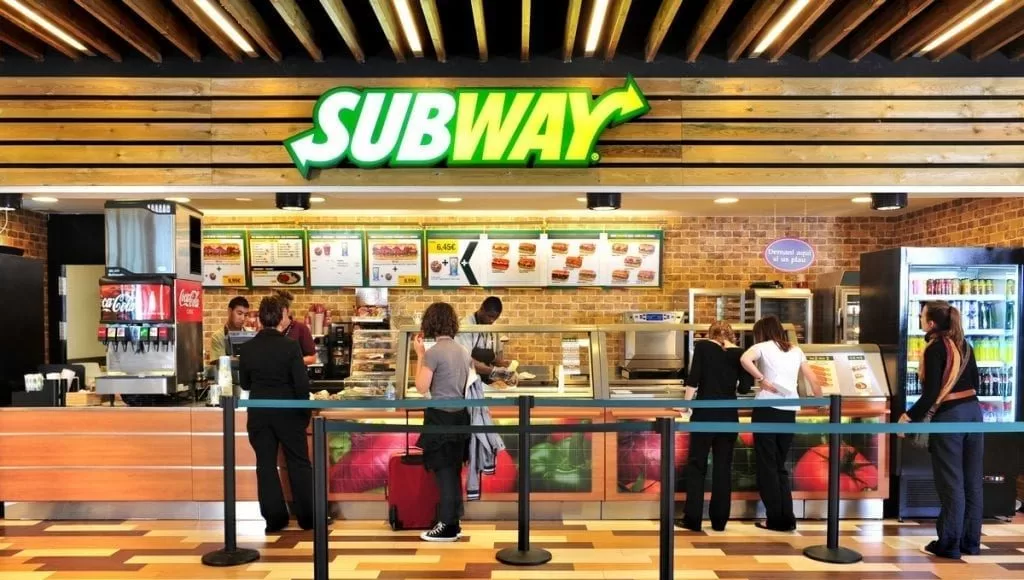
In the world of fast food, Subway has been a global icon, with over 40,000 stores worldwide at its peak. The journey of this brand from a small sandwich shop to a massive franchise network is a lesson in both success and failure. they expanded rapidly using a franchise model, but today, the very same model has become a challenge for the company. This article explores the history of Subway’s growth, the challenges it now faces, and why its business model is struggling.
Table of Contents
The Early Days of Subway

In 1965, Fred DeLuca, a young man from Bridgeport, USA, was looking for a way to pay for his college education. With advice from his family friend Peter Buck, who had grown up in Portland and seen the rise of Italian sandwiches, Fred decided to open a sandwich shop. Peter also invested $1,000 into the business, helping Fred get started. They named the shop “Pete’s Submarine” and sold sandwiches at affordable prices.

Fred’s pricing strategy was smart: he kept prices between 49 and 69 cents, making sandwiches affordable for the public. On the first day of business, he sold 312 sandwiches. His goal was to open 32 stores in 10 years, but winter brought challenges, and sales dropped sharply.
However, as the seasons changed, sales increased again. Fred realized that opening more stores in the same city would create brand recall among customers. He opened a second store, and though the challenges of winter remained, overall profits grew. Fred had discovered the key to success: more stores meant more sales.
The Franchise Model
By 1974, Fred had 16 stores but still hadn’t reached his target of 32. The biggest obstacle was funding. To overcome this, Fred turned to the franchise model, inspired by brands like McDonald’s and KFC, which had used the same method to expand. Subway offered a lower franchise cost than its competitors, making it accessible to more people.
This strategy worked, and by 1978, they had 200 stores across the U.S. The franchise model allowed them to expand quickly, with 5,000 stores worldwide by 1994. They reinvested the money earned from franchise fees into opening even more stores.
The International Expansion

In the 1980s, they began its international expansion, testing the waters in the Middle East by selling sandwiches for $5. The concept worked, and soon Subway was present in multiple countries. A key to their success was its ability to offer customizable sandwiches, a feature that set it apart from other fast food chains. Customers could choose their own ingredients, making them offerings both flexible and appealing.
When Subway entered India in the early 2000s, it adapted its menu to suit local tastes, offering vegetarian options like Paneer Tikka and Aloo Patties. The franchise model worked well in India, with many Gujarati and Punjabi entrepreneurs opening stores across the country.
The Fall of Subway

Despite its global success, Subway’s fall began around 2014. The first major blow came when Jared Fogle, who had been the face of the brand for 15 years, was convicted in a child pornography case. This damaged Subway’s image as a healthy, family-friendly brand.
But the root of Subway’s problems lay in its own franchise model. In the U.S., They had opened too many stores in close proximity, which hurt franchise owners. With multiple stores in the same area, individual franchisees struggled to make a profit, even though Subway’s overall sales increased.
By 2015, there were over 27,000 Subway outlets in the U.S., but profits were declining. Franchisees were forced to offer discounts, reducing their margins. Over the next six years, more than 650 stores shut down in the U.S.
The situation wasn’t much better in India. During the COVID-19 pandemic, many franchisees struggled as stores remained closed and sales dropped. Some franchise owners reported receiving little support from the company during this time.
The Future of Subway
In 2021, Singapore-based company Everstone bought the master franchise for Subway in India. Everstone has since attempted to change the business model, reducing customization options to save costs and focusing on fixed menus like other fast food giants such as Pizza Hut. However, this shift has not been well received by all franchisees.
Subway’s story is a lesson in the risks and rewards of the franchise model. What was once its greatest strength has now become its weakness. By opening too many stores too quickly, They prioritized growth over the profitability of its franchise partners. Today, the brand is working to recover from the fallout of its own expansion strategy.
Subway’s rise and fall highlight the importance of balance in business. While the franchise model allowed Subway to grow rapidly, it also created challenges that the brand is still trying to overcome. For any business considering the franchise route, it’s crucial to ensure that both the company and its franchise partners benefit. Only then can long-term success be achieved.
Read also: The Inspiring Journey of Bajaj: From a Dream to India’s Largest Two-Wheeler Exporter