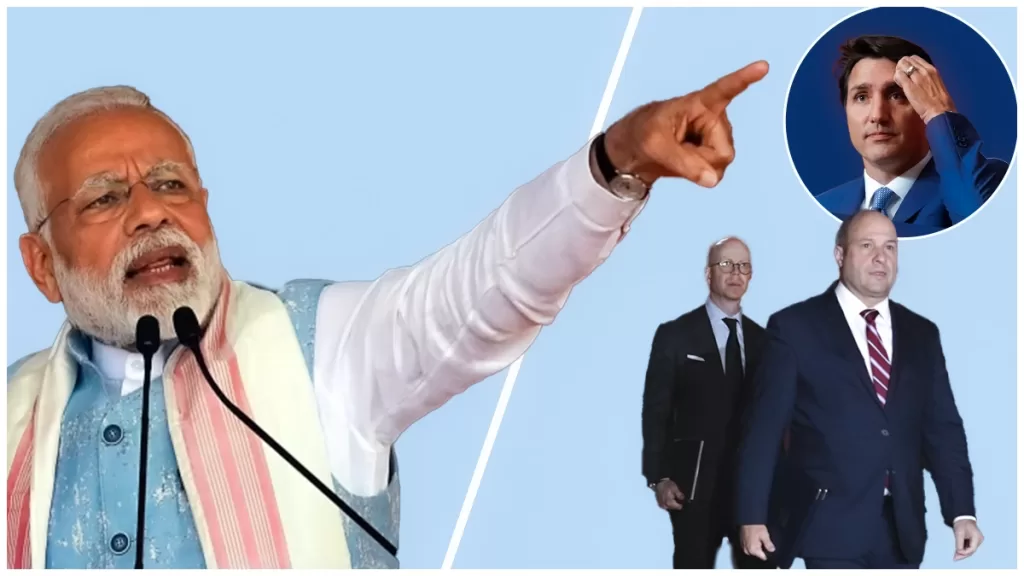
Canadian Prime Minister Justin Trudeau has been at the center of a growing diplomatic conflict with India. The tension escalated after the murder of Khalistani leader Hardeep Singh Nijjar in Canada, with Justin Trudeau openly accusing Indian diplomats of being involved. This accusation has sparked outrage in India and has led to a series of diplomatic actions that have significantly strained the relationship between the two nations.
Let’s explore how Justin Trudeau’s stance on the Khalistan issue, his political motivations, and the implications of his actions have impacted India-Canada relations.
Table of Contents
The Start of the Diplomatic Rift
The diplomatic fallout between India and Justin Trudeau’s government didn’t happen overnight. It has roots in Trudeau’s perceived support for Khalistani elements in Canada, a group that seeks to create a separate Sikh state, which India has designated as a terrorist organization. This support has long been a point of contention between the two countries.
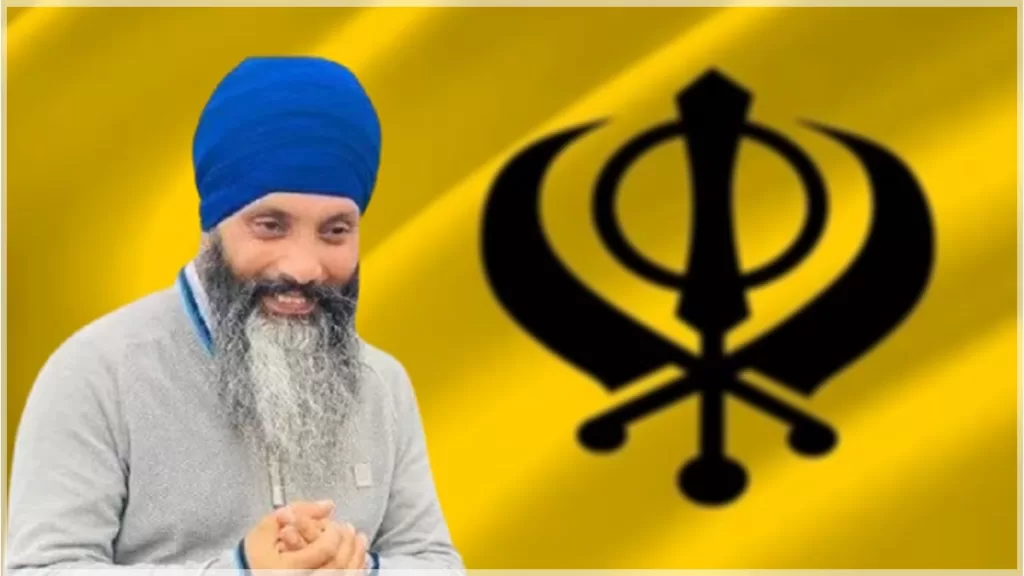
However, the situation reached a boiling point after the murder of Hardeep Singh Nijjar in June 2023. Nijjar, a vocal supporter of the Khalistan movement, was killed in Surrey, British Columbia. While Canadian authorities were investigating the murder, Justin Trudeau shocked the world by alleging that Indian diplomats might be involved. Canada’s Royal Canadian Mounted Police (RCMP) even went so far as to name Indian officials as “persons of interest” in the case.
India was quick to respond. The Indian government firmly denied any involvement and criticized Justin Trudeau for making such serious accusations without providing concrete evidence. In retaliation, India expelled a Canadian diplomat and issued a strong warning to the Canadian government, further deepening the diplomatic rift.
Why Is Justin Trudeau Supporting Khalistan Sympathizers?
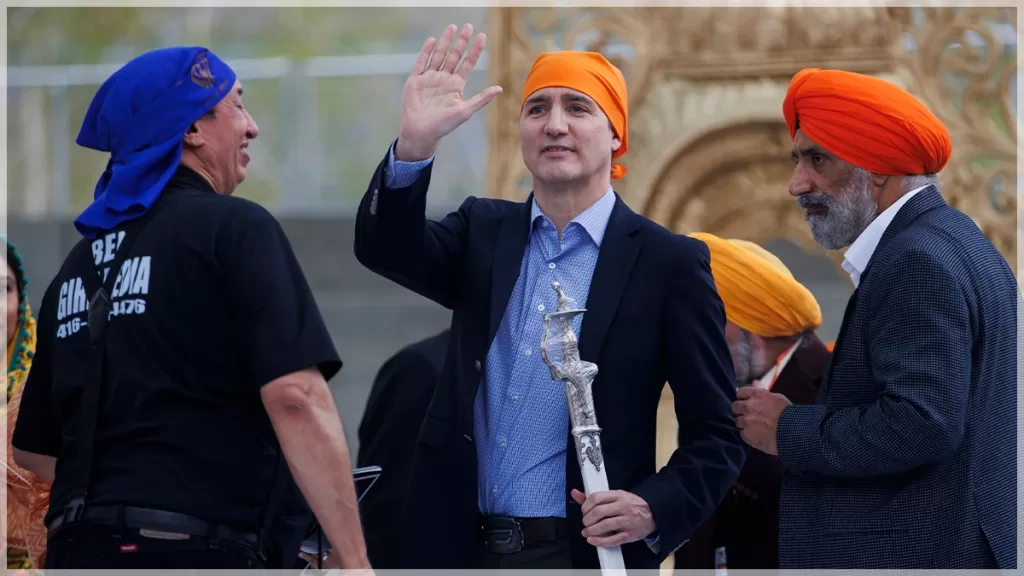
One of the biggest questions surrounding this issue is why Justin Trudeau continues to support individuals like Nijjar, despite their controversial backgrounds. Khalistani sympathizers in Canada, including Nijjar, have long been involved in anti-India activities, including promoting violence and separatism. Nijjar, for example, was wanted by Indian authorities and had a red corner notice issued against him by Interpol for his role in terrorist activities.
Yet, despite these concerns, Justin Trudeau has remained sympathetic to the Khalistani cause. This has baffled many, especially considering the security threat these individuals pose to both Canada and India. Canada had even frozen Nijjar’s bank accounts and placed him on the no-fly list, acknowledging that he was a threat. So, why would Trudeau stand by someone like Nijjar?
The answer lies in domestic politics. Justin Trudeau’s Liberal Party does not have a majority in the Canadian Parliament. To maintain power, he has relied on the support of the New Democratic Party (NDP), which is led by Jagmeet Singh, a known Khalistan sympathizer. Singh has openly supported the Khalistan movement and has even made statements that have caused tension between India and Canada.
Given this political alliance, it becomes clear why Trudeau is reluctant to take a firm stance against the Khalistan movement. The pro-Khalistan vote bank is significant in certain parts of Canada, particularly in regions with a large Sikh population. By supporting these elements, Trudeau is securing a crucial part of his political base, even if it comes at the cost of damaging Canada’s international relationships.
The History of India-Canada Tensions
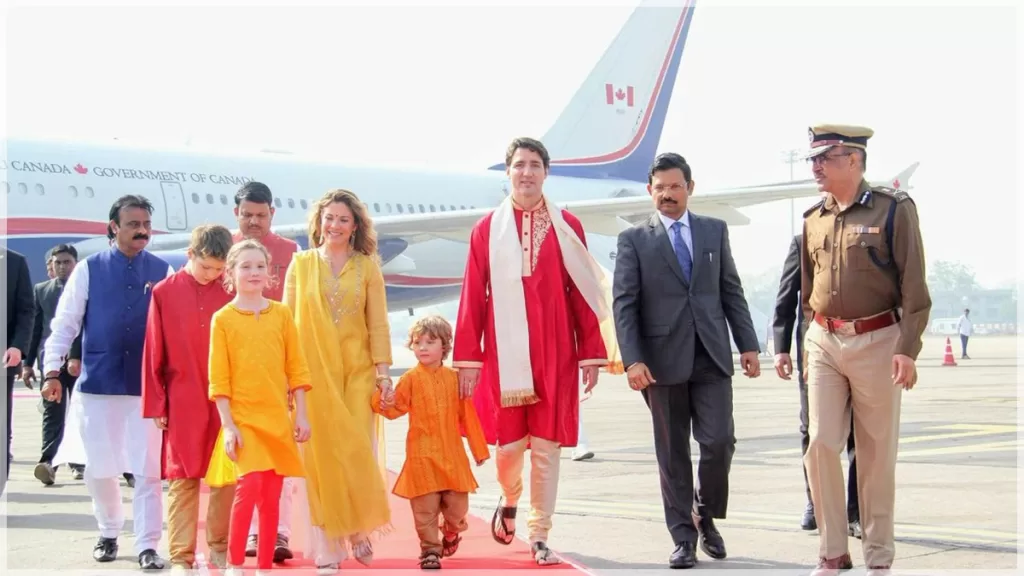
The current diplomatic strain is not the first time India and Justin Trudeau’s government have clashed over the Khalistan issue. During Trudeau’s visit to India in 2018, there was already tension over his government’s perceived support for Khalistani groups. During that trip, the Indian government gave Trudeau a notably cold reception, with lower-level officials greeting him and his family at the airport instead of the usual high-ranking dignitaries.
At the time, the situation was further complicated when it was revealed that Trudeau’s government had invited Jaspal Atwal, a convicted Khalistani terrorist, to a dinner event during the India trip. This blunder caused embarrassment for Justin Trudeau and further strained relations with India.
The root of these tensions goes back decades. Canada has long been a hub for pro-Khalistan activities, with many groups using Canadian soil to organize anti-India protests and campaigns. The Indian government has repeatedly expressed concern about Canada’s leniency towards these groups, but the issue has persisted, particularly under Justin Trudeau’s leadership.
Justin Trudeau’s Political Calculations
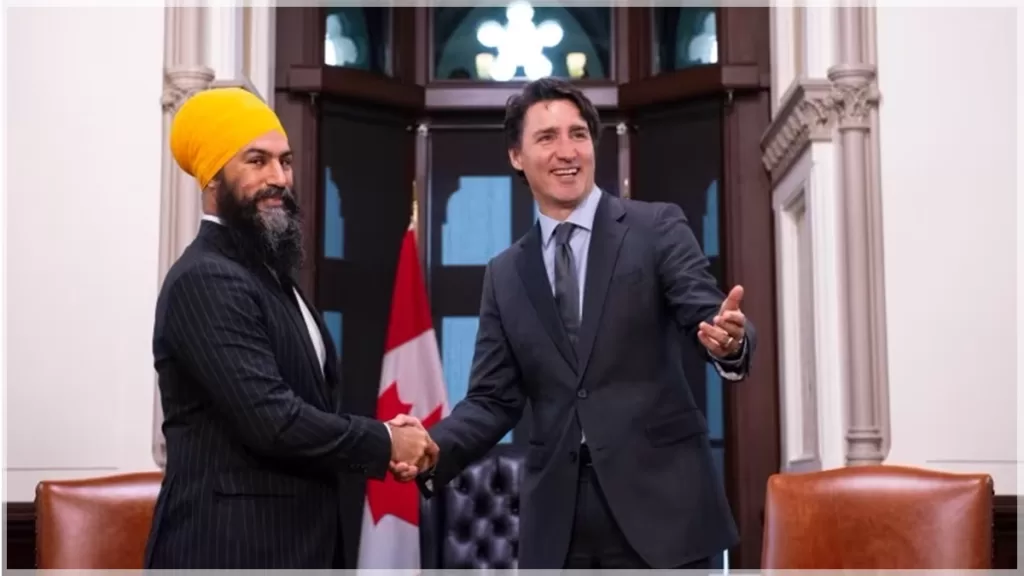
Justin Trudeau’s support for the Khalistan movement is largely seen as a political calculation. As mentioned earlier, his reliance on the NDP for support in Parliament has forced him to align with pro-Khalistan elements. Jagmeet Singh, the NDP leader, has a strong base of support among the Sikh community in Canada, many of whom are sympathetic to the Khalistan cause.
For Justin Trudeau, alienating this voter base could mean losing crucial political support, which could jeopardize his ability to govern. With elections on the horizon, Trudeau is likely feeling the pressure to maintain his alliance with the NDP and secure the Sikh vote. However, this strategy comes with significant risks.
By continuing to support Khalistani sympathizers, Justin Trudeau is not only damaging relations with India but also potentially compromising Canada’s own security. Many of the pro-Khalistan groups in Canada have been linked to violent activities and separatist agendas. Allowing these groups to operate freely on Canadian soil creates a dangerous precedent and raises questions about Canada’s commitment to counter-terrorism efforts.
India’s Strong Response
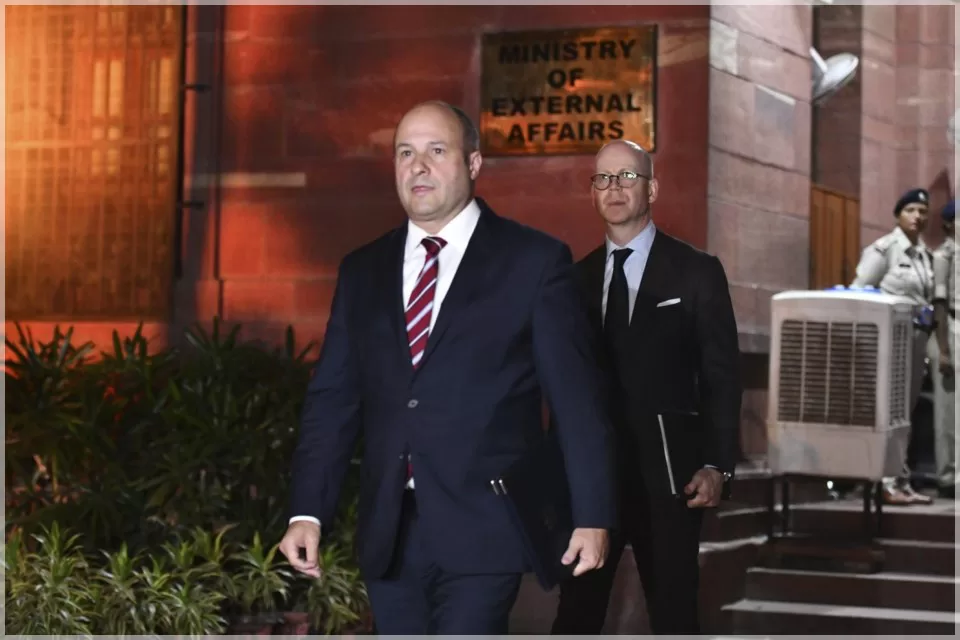
India’s response to Justin Trudeau’s allegations has been swift and decisive. After Trudeau publicly accused Indian diplomats of involvement in Nijjar’s murder, the Indian government wasted no time in retaliating. India expelled a senior Canadian diplomat and has made it clear that it will not tolerate baseless accusations against its officials.
Moreover, India has taken steps to isolate Justin Trudeau on the global stage. While Justin Trudeau has reached out to international allies, including the United States and the United Kingdom, to gain support for his stance, these countries have largely remained neutral, focusing instead on maintaining their strong relations with India.
India’s growing influence on the global stage means that Trudeau’s accusations have not gained much traction internationally. Instead of siding with Canada, many global powers have chosen to strengthen their ties with India, recognizing its economic and strategic importance.
The Global Isolation of Justin Trudeau
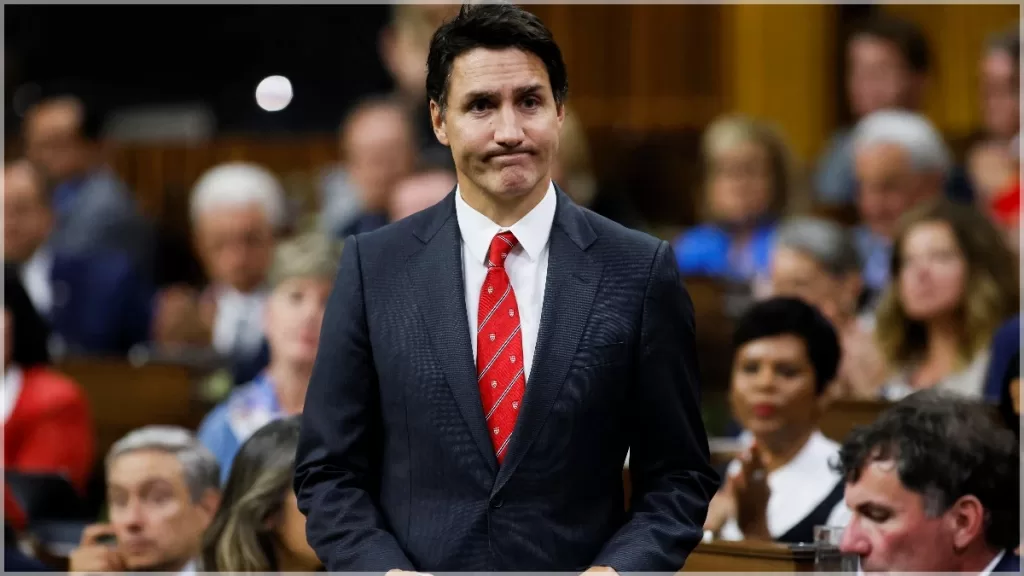
Justin Trudeau’s handling of the Khalistan issue has left Canada diplomatically isolated. While Trudeau may have hoped to rally international support by accusing India of involvement in Nijjar’s murder, the reality is that Canada is finding itself increasingly alone on this issue.
Countries like the United States, the United Kingdom, and France, all of whom have strong relations with India, have been careful not to take sides. Instead, these nations have focused on their own interests and have continued to engage with India on a range of issues, from trade to security. This has left Justin Trudeau’s government with little international backing, further weakening Canada’s position.
Domestically, Justin Trudeau is also facing challenges. While his pro-Khalistan stance may appeal to a specific voter base, it is alienating other segments of the population. Many Canadians are concerned about the growing influence of extremist groups within the country and the potential security threats they pose. Trudeau’s inability to take a firm stance against these groups is seen by some as a sign of weakness and poor leadership.
The Consequences of Justin Trudeau’s Actions
The diplomatic fallout between India and Canada is a direct result of Justin Trudeau’s handling of the Khalistan issue. By prioritizing his political alliances over Canada’s long-term diplomatic interests, Justin Trudeau has severely damaged relations with one of the world’s largest and fastest-growing economies.
While Trudeau may have secured the support of pro-Khalistan voters in Canada, this short-term political gain comes at a significant cost. Canada is now diplomatically isolated, and its relations with India are at an all-time low. Moreover, Justin Trudeau’s actions have raised concerns about his ability to effectively lead and protect Canada’s national security.
As the situation continues to evolve, it remains to be seen how Justin Trudeau will navigate the growing tensions with India. However, one thing is clear: Justin Trudeau’s handling of the Khalistan issue has left a lasting mark on Canada’s diplomatic standing, and repairing relations with India will not be an easy task.