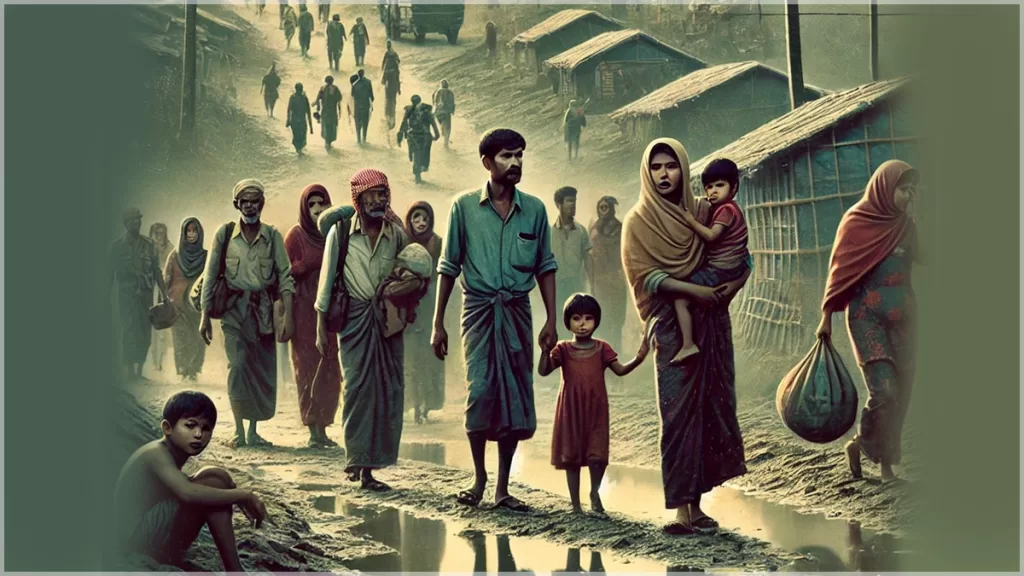
The Rohingya refugee crisis has sparked complex discussions on humanitarian, political, and security fronts. This article will summarize significant events in the Rohingya crisis and the repercussions in India, exploring why the Rohingya people fled Myanmar and how their situation has evolved over the years.
Table of Contents
The Root of the Crisis: Myanmar’s Political Turmoil and Ethnic Tensions
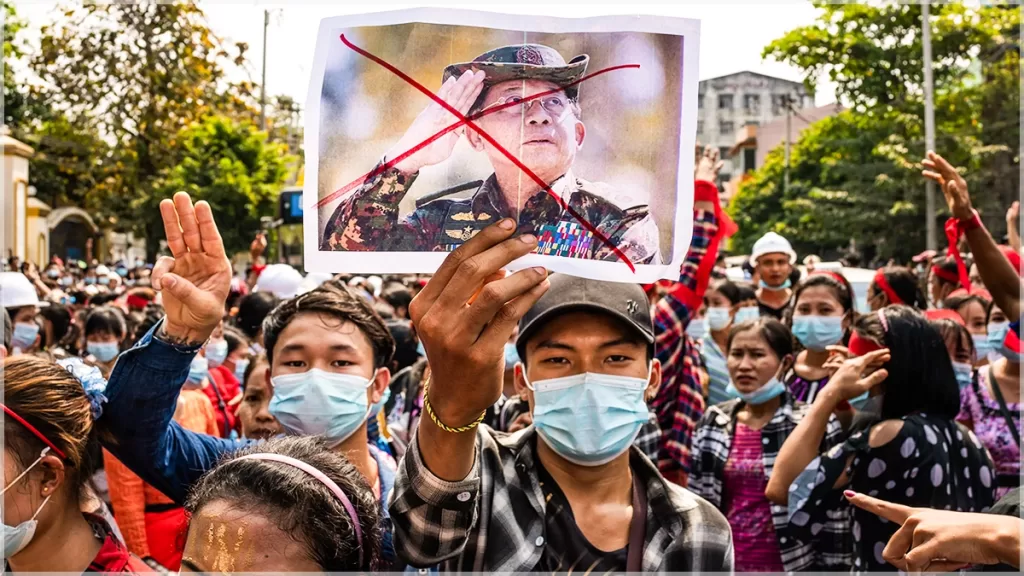
Myanmar’s Transition to Democracy and Military Repression
In 1990, Myanmar (formerly Burma) held its first democratic election in 30 years. While this election brought hope to many in the country, the military refused to recognize the results. Instead, it began a severe crackdown on pro-democracy activists, particularly targeting the Rohingya Muslim population in the Arakan region. This persecution escalated over the years, leading to mass displacement, with nearly 250,000 Rohingya fleeing Myanmar for India and Bangladesh.
Rohingyas Refugee Crisis : Exodus of Rohingya to India and Bangladesh
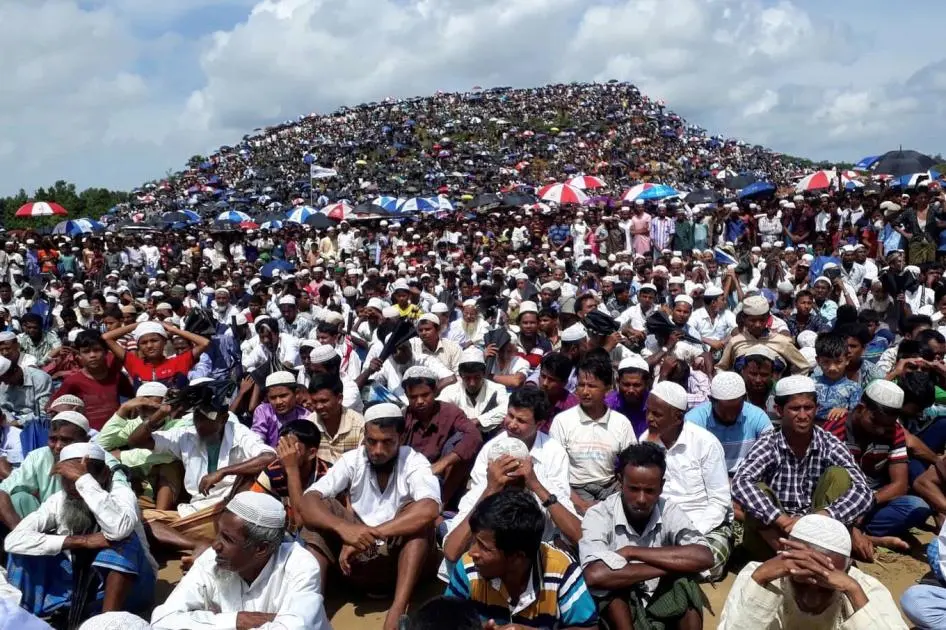
As violence continued, Bangladesh offered relief camps and assistance to the refugees. However, in India, Rohingya refugees dispersed across states, living under precarious conditions with limited resources. While some NGOs voiced their support, others cautioned about the implications of hosting large numbers of refugees.
The 2012 Mumbai Azad Maidan Protest
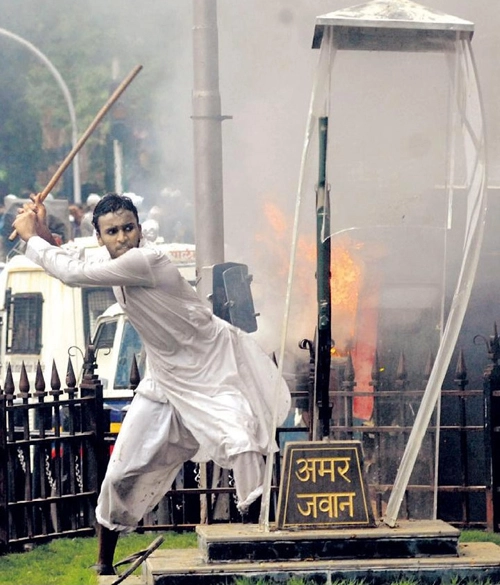
The Background and Unfolding of the Protest
In 2012, Mumbai’s Azad Maidan witnessed a massive protest organized by groups such as Raza Academy and Madinatul Ilm to condemn the violence against Rohingyas in Myanmar and ethnic tensions in Assam. Initially intended as a peaceful protest, the gathering escalated when more than 40,000 people joined, resulting in public property damage and injuries to law enforcement personnel.
Key Revelations from the Protests
Investigations revealed that the unrest had connections to cross-border dynamics, with key figures identified as Rohingya or Bangladeshi nationals. This prompted questions about how such gatherings could impact India’s security and social harmony.
Continuing Conflicts and Violence: Assam Riots and Beyond
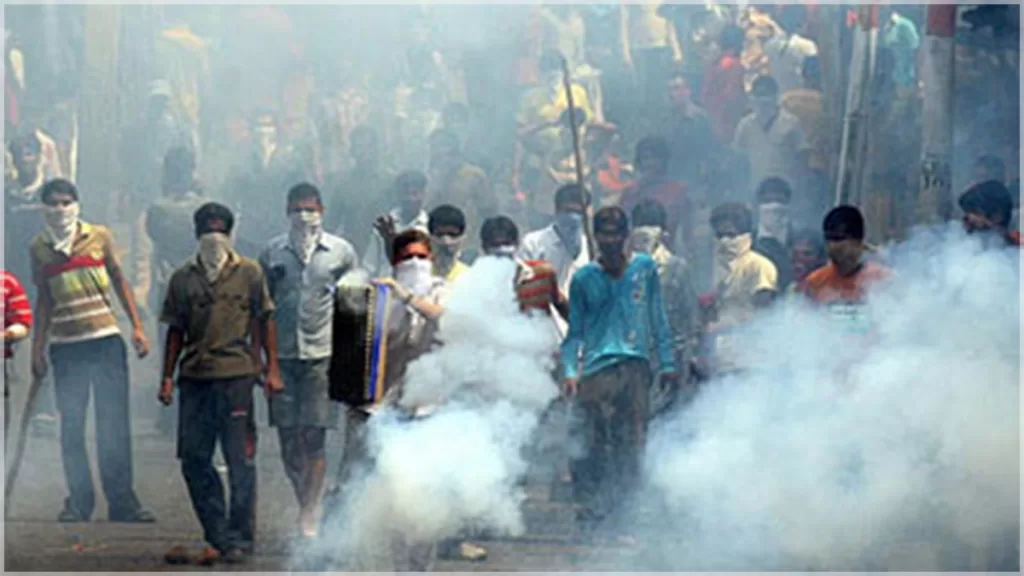
The Assam Violence and Displacement
The 2012 Assam violence saw clashes between local communities and Bangladeshi immigrants, leading to widespread displacement of nearly 400,000 people. Similar incidents in Haryana’s Mewat and other regions sparked concerns about unauthorized entry and its potential role in rising social tensions.
State Responses to Security Concerns
States like Uttar Pradesh and Assam began intensified surveys and inter-departmental collaborations to tackle illegal immigration. Assam’s Chief Minister, Himanta Biswa Sarma, emphasized border security efforts, while states like Jharkhand and West Bengal faced scrutiny over demographic changes attributed to undocumented migration.
Legal and Diplomatic Stances on Refugee Repatriation
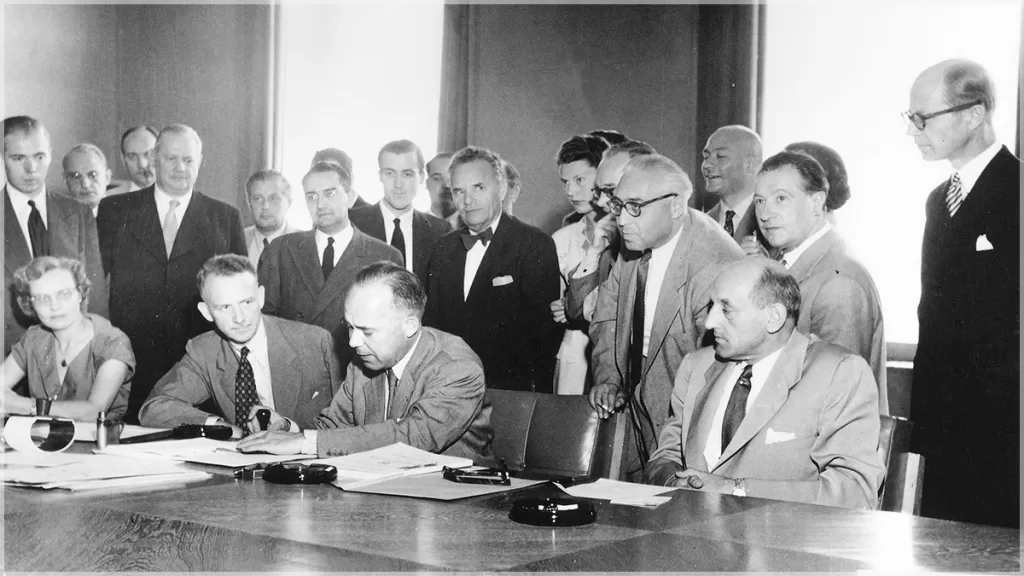
India’s Refugee Policies and International Criticism
Unlike countries that signed the 1951 Refugee Convention, India has not ratified international refugee laws, giving it leeway in handling refugees according to national interests. India’s deportation of undocumented Rohingyas has drawn criticism from human rights organizations but aligns with its policy of addressing national security.
India’s Challenges in Balancing Humanitarianism and Security
India’s response to the Rohingya refugee crisis reflects a balance between humanitarian obligations and national security. Recent developments in Assam and Manipur highlight ongoing efforts to identify and repatriate unauthorized immigrants.
The Rohingya Refugee Crisis Impact On India
The Rohingya refugee crisis continues to impact India’s social fabric and security dynamics. As India navigates the humanitarian aspects of hosting refugees alongside ensuring national security, public awareness and policy action will play essential roles in addressing these multifaceted challenges.
Read also : Behraich Violence: Claims the Life of Ram Gopal Mishra